

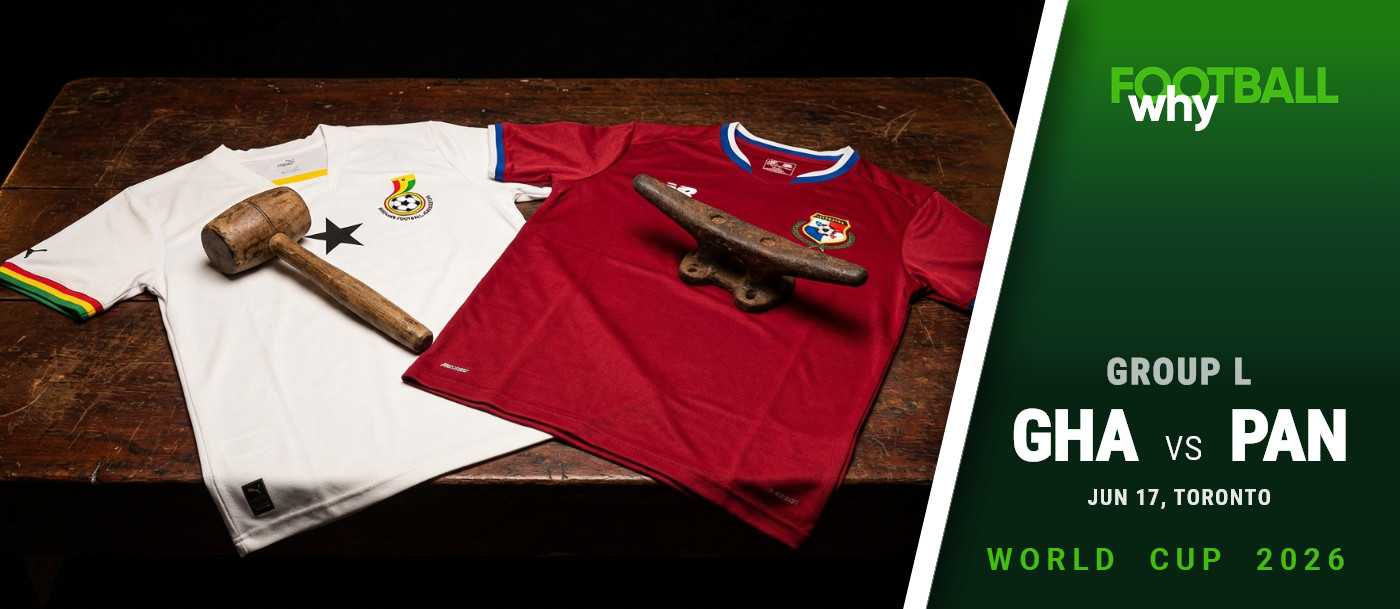
The World Cup Qualification Decider
Wednesday, 17 June

BMO Field, Toronto

Ghana vs Panama FIFA World Cup 2026 Group Stage Match A Damp Trudge Settled by a Stoppage-Time Sprint Forecast generated:

Eighty-nine minutes of rain-soaked, bureaucratic grinding suddenly gave way to a breathless sprint. Discover how a fatal 90th-minute structural reshuffle opened the door for Ghana’s stoppage-time survival.
Ghana vs Panama Structural Collision

What was it?

Rain-soaked turf in Toronto turned eighty minutes of human effort into a claustrophobic, slipping grind. Twenty-two men operated like rusted allotment tools, scraping against each other with zero yield.

The official monitors recorded a barren wasteland. The data registered 0.03 expected goals for the home side and 0.13 for the visitors. Viewers who tuned out early missed nothing but cautious mid-blocks and sideways glances.

Then the dial turned. A double substitution on the hour injected raw, desperate pace into the flanks. Panama held their nerve until the ninetieth minute, when a dugout reshuffle pulled their left-sided cover.

That single structural lapse proved fatal. Brandon Thomas-Asante tore down the vacated corridor in the 95th minute, squaring for Caleb Yirenkyi to shatter the deadlock despite the official statistics bizarrely logging zero shots on target.

The true climax arrived four minutes later. Benjamin Asare, a substitute keeper thrown into the cold at half-time, launched himself to parry a point-blank header, preserving a brutal, beautiful victory.

How did they clinch it?

Ghana

Ghana’s extreme caution stemmed directly from a missing administrative stamp. Without their primary midfield orchestrator, the entire engine room had to be rewired around a twenty-year-old deputy, forcing a complete recalibration of risk.

The manager deliberately stripped away any grand creative illusions. If the midfield could not dictate the tempo, they would simply deny space. They absorbed the friction, waiting patiently for the opposition’s physical baseline to inevitably drop.

This reactive posture reveals a deeper truth about the current squad's architecture. There is a glaring lack of depth in central progression. When the main conductor is absent, the setup defaults to relying on wide, isolated dribblers to bypass congested areas.

It reflects a long-standing systemic tension within the national framework. The historical demand for joyous, improvisational football constantly clashes with the rigid, European-drilled pragmatism required to survive modern tournament attrition.

By heavily managing the minutes of their wide forwards, the coaching staff embraced this pragmatic extreme. They banked on collective endurance, trusting that late, direct running would eventually puncture a tired defensive structure down the fragile wide channels.

They traded eighty-nine minutes of aesthetic starvation for one ruthless, perfectly timed harvest.

Why not go for the win?

Panama

Panama’s failure to secure a point exposes the fragility of a system built around a singular creative fulcrum. Without their primary playmaker available, the side immediately retreated into a rigid, damage-limitation exercise.

The tactical response was to pin the wingbacks deep, ensuring defensive density but completely severing any supply lines to the forwards. This conservative height severely capped their box occupation during rare ventures forward.

Such a setup demands absolute, unblinking concentration for the entire duration. However, a late managerial decision to reconfigure the central midfield inadvertently stripped the load-bearing support from the left channel.

That specific structural collapse highlights a broader generational vulnerability. The squad leans heavily on a veteran spine, prioritising seasoned loyalty and set-piece routines over dynamic, open-play combination.

When forced to generate chances without dead-ball situations, the output remains brutally thin — evidenced by the side mustering a mere three total shots all evening. The sheer lack of elite press-resistance means they struggle to shift momentum back once pinned down.

A small talent pool necessitates these attritional, highly regimented frameworks, but it leaves zero margin for human error when fatigue sets in.

A single missing brick in the defensive mortar brought the entire logistical scaffolding crashing down.

Match hero...

Brandon Thomas-Asante
Brandon Thomas-Asante stepped into the fray and immediately haggled a better deal out of a stagnant market. While the collective group ground down the opposition through sheer attritional faith, he provided the sharp burst of individual enterprise. He bypassed the usual communal consultations, relying purely on his fresh legs and a sprinter’s instinct to exploit the heavy limbs of his markers. His low cross was a sudden, rich payout after eighty minutes of quiet, collective saving.

...and one more

Andrés Andrade
Andrés Andrade managed the defensive line with the ruthless efficiency of a port authority inspector clearing a backlog. He intercepted through-balls and redirected traffic, keeping the central shipping lanes entirely free of danger. His physical reading of the movement allowed him to shut down avenues before they could even form. It was a masterclass in bureaucratic denial, ensuring every attacking permit was stamped 'rejected' right up until the final structural collapse around him.