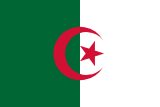
Algeria: A Rival Guide
How does Algeria play?
/ What are the primary attacking routes for Algeria?
The side relies heavily on early diagonal balls launched toward the advanced left-back to stretch the pitch. They manufacture chances through right-sided half-space combinations that culminate in low cutbacks. The central striker aggressively attacks the near post, while a weak-side runner arrives late to clean up the scraps. Dead-ball situations are heavily weaponised, with set-pieces explicitly targeted at their towering centre-backs. It is a blunt, industrial assembly line designed to deliver the ball into the box before the opposition can set their defensive furniture.
/ Where are the structural vulnerabilities in their system?
The primary danger zone exists in the first five to eight seconds after losing possession in wide areas. When both full-backs are caught high up the pitch, the flanks are left entirely unguarded. Rapid, cross-field switches easily isolate their defenders at the back post. Furthermore, they struggle to weather sustained aerial bombardments and second-ball waves from highly physical opponents. The structural canopy is brilliant going forward, but it leaks terribly when the storm suddenly changes direction.
/ How stable is the defensive base and the goalkeeping hierarchy?
The goalkeeping pecking order remains under intense evaluation ahead of the tournament. The build-up phase demands a high-positioned keeper, while the rest-defence is anchored in a 3+2 shape with the midfield pivot dropping deep. Disciplinary issues have heavily flagged the backline following a series of sanctions at the 2025 AFCON. The foundation is built on undeniable talent, but it currently rests on the shifting sands of emotional volatility and administrative doubt.